
Hardening DP Power Systems: The Transition from Rule-Based Monitoring to AI-Driven Anomaly Detection
Power-related faults still top IMCA DP incident lists, yet most marine PMS rely on rigid threshold deadbands that miss gradual generator wear until it’s too late. I’ve seen crews chase false alarms for days while subtle degradations build — and AI isn’t standard in these systems… yet. Here’s the current state, the barriers, and why advisory layers could be the practical next step.
George Ralston
1/17/20262 min read
AI Isn't Standard in Marine PMS Yet — But the Gap Is Closing Faster Than You Think
Most DP vessel power management systems still run on the same rule-based threshold logic we've used for decades. I get it — it's certified, reliable for big faults, and doesn't raise eyebrows during class surveys. But here's the contrarian view: sticking exclusively to deadbands means we're accepting creeping power degradations that IMCA data keeps flagging as top contributors to position loss events.
Power Faults Remain a Stubborn Reality
Recent IMCA reports (2024–2025) show power-related issues — generator trips, bus faults, thruster power drops — consistently rank high in DP station-keeping events. In one fleet example, 32 DP-related incidents occurred in a single year across just six rigs. These aren't always dramatic failures; many start as subtle inefficiencies in diesel generators or distribution that thresholds miss until redundancy is compromised.
Threshold Monitoring's Practical Shortcomings
Fixed deadbands around power-fuel curves, droop characteristics, or excitation signals work well for sudden overloads or clear trips. But in offshore reality — variable sea states, drilling load swings, aging equipment — they generate too many false alarms or let slow trends (bearing wear, insulation issues) build undetected. Crew fatigue from nuisance alerts is real; trust in the system erodes when alarms cry wolf too often.
Where AI Is Actually Appearing (Advisory, Not Core Control)
Commercial DP/PMS vendors haven't embedded full AI anomaly detection into safety-critical loops yet — certification and explainability hurdles are still high. However, 2025 research and pilots show momentum:
Machine learning models on real marine diesel data predict faults and remaining useful life.
Predictive maintenance algorithms use engine simulations and ship logs to forecast generator issues.
AI layers in smart ship power management smooth thruster spikes and flag early anomalies, often integrated with battery systems. These start as advisory tools — dashboards alerting engineers to trends — rather than overriding controls.
My stance: Thresholds are the safe baseline; don't remove them. But ignoring AI advisory layers is leaving easy wins on the table for preventing escalation. Next time you review a PMS upgrade or newbuild spec, demand open data interfaces for future AI add-ons — it's cheap now and could save serious downtime later.
What's your experience — have vendors pitched any predictive PMS modules yet, or is it all still "coming soon"?
#DynamicPositioning #MarinePowerSystems #AnomalyDetection #PredictiveMaintenance #OffshoreEngineering
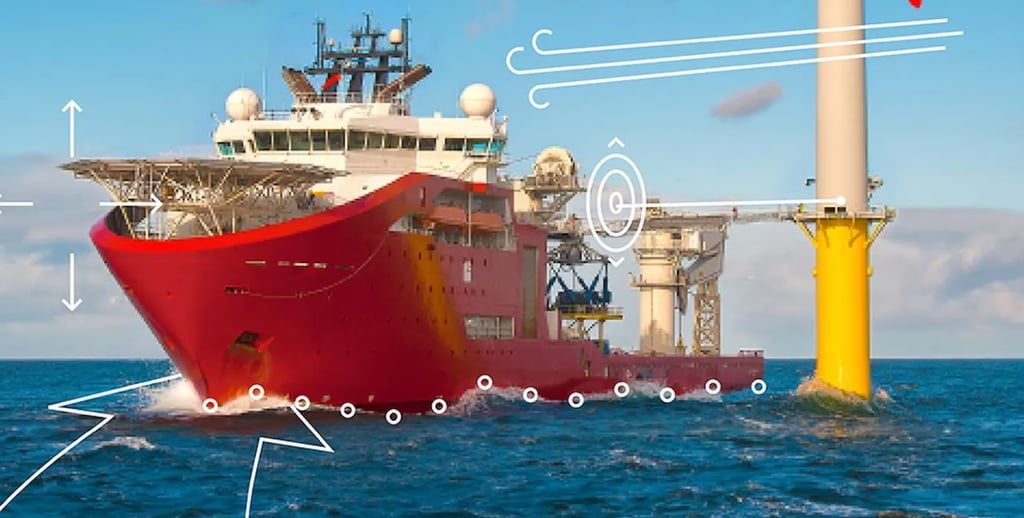
Photo: DNV
Contact
Prefer to call us directly, or send an email?
Phone
+39 331 802 9277 (Europe)
+1 281 932 6226 (USA)
© 2022 Renova Energy Solutions LLC. Registered in WY, USA. Operating from USA/Italy
All rights reserved.
Projects delivered in conformity with ISO 9001 quality management principles, DNV, and Lloyd's Register standards in renewable energy and marine sectors. [Learn more about us →]