
Sodium-Ion Batteries: A Safer and More Sustainable Alternative to Lead-Acid and Lithium-Ion
George Raston
12/6/20251 min read
In the mid-1980s, while studying electrical engineering, a classmate and I debated the future of electric vehicles. He believed EVs were imminent; I argued that the energy density of lead-acid batteries—30–40 Wh/kg—would never provide adequate range. I suggested sodium-based systems, but dismissed them as the only mature technology was the sodium-sulphur battery, impractical for automotive use due to high operating temperatures. Four decades later, that conversation feels prescient—the high-temperature barrier has been surpassed.
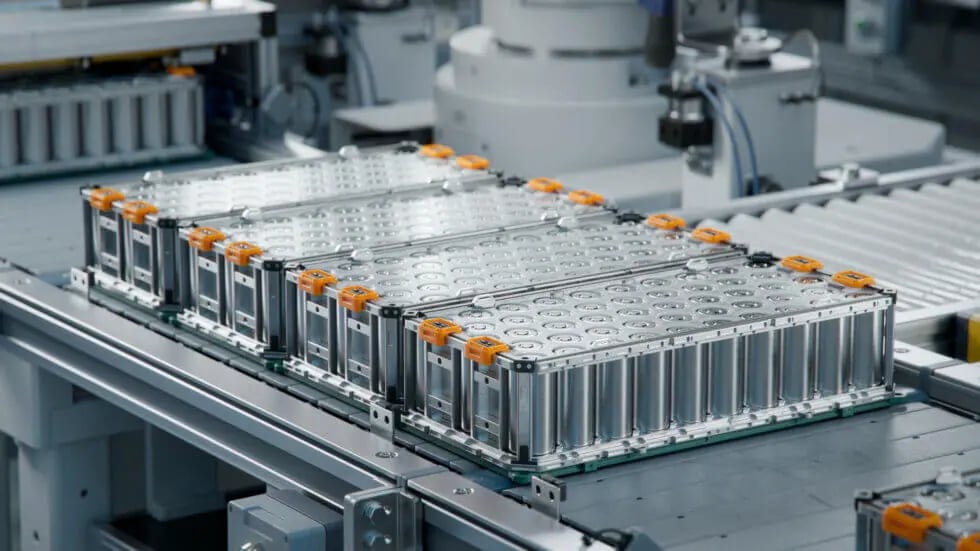
Today’s sodium-ion (Na-ion) batteries, or “salt batteries,” use abundant sodium salts and operate at ambient temperatures with layered oxide or Prussian blue cathodes. This innovation eliminates the molten-electrode hazard while retaining sodium’s advantages: non-toxicity, low cost, and solid supply-chain security.
From a safety standpoint, modern Na-ion cells surpass legacy lead-acid and lithium-ion chemistries. Lead-acid batteries contain toxic lead and corrosive sulfuric acid, posing environmental risks. Lithium-ion batteries, despite high energy density, risk thermal runaway, leading to fires.
In contrast, commercial sodium-ion cells demonstrate excellent abuse tolerance. CATL’s 2024 safety tests showed no fire during overcharge, and independent studies confirmed Na-ion modules do not propagate thermal runaway, a common issue in lithium-ion systems. Hard-carbon anodes and stable electrolytes eliminate risks of shorts.
Cycle life now exceeds 4,000–6,000 cycles with >80% capacity retention, surpassing lead-acid and competing well with LFP ageing. Ongoing advancements aim to improve energy density to 200–220 Wh/kg by 2027–2028 while maintaining safety.
What began as skepticism has evolved into a promising solution for safe and sustainable energy storage—sometimes the right chemistry just needs time to mature.
[1] European Commission RoHS Directive – Battery Annex (2023) [2] Nature Energy – Aqueous processing of Na-ion batteries (2024) https://www.nature.com/articles/s41560-024-01527-8 [3] CATL Sodium-ion Safety White Paper (2024) https://www.catl.com/en/research/whitepaper/ [4] SINTEF Comparative Abuse Testing Na-ion vs Li-ion (2024) https://www.sintef.no/en/publications/publication/2024/comparative-safety-na-li
Contact
Prefer to call us directly, or send an email?
Phone
+39 331 802 9277 (Europe)
+1 281 932 6226 (USA)
© 2022 Renova Energy Solutions LLC. Registered in WY, USA. Operating from USA/Italy
All rights reserved.
Projects delivered in conformity with ISO 9001 quality management principles, DNV, and Lloyd's Register standards in renewable energy and marine sectors. [Learn more about us →]