
Utility-Scale Solar Development in Italy: Timeline, Permitting & Revenue Strategy
Italy is one of Europe’s most attractive utility-scale solar markets, driven by strong irradiation, ambitious 2030 targets, and large-scale support schemes such as FER X. However, development timelines typically span 2 to 5+ years, mainly due to permitting and grid constraints.
Recent regulatory reforms — including suitable areas, acceleration zones, and single authorizations — are designed to shorten timelines for qualifying projects. Below is a clear, step-by-step overview of how utility-scale solar projects are typically developed in Italy today.
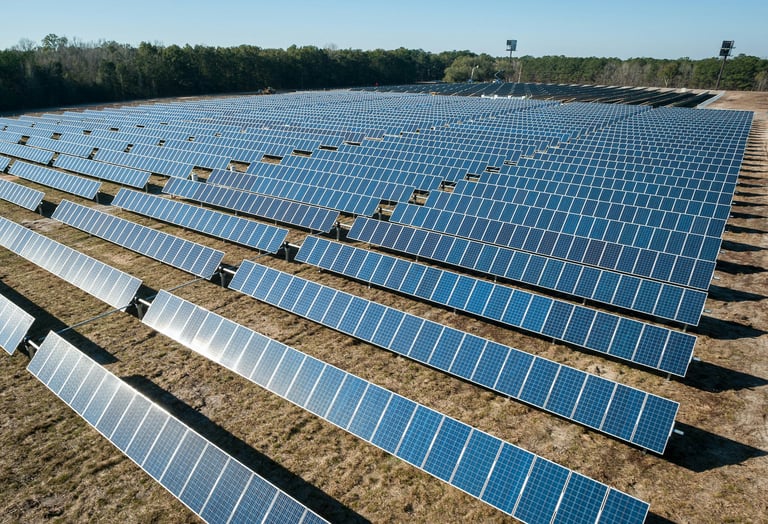
Site Identification & Early Development (Months 0–12+)
This phase focuses on creating option value and de-risking the project before major capital is committed.
Key Activities
Land acquisition through lease, option, or purchase
Preliminary technical studies, including:
Solar irradiance assessment
Geotechnical and soil analysis
Initial environmental screening
Zoning and suitability checks
Verify whether the site qualifies as an “area idonea” (suitable area)
Agricultural land restrictions often favor advanced agri-PV
Grid connection request
Submitted early to Terna (TSO) or local distribution operators
Critical step due to long queues, especially in Southern Italy
Key Characteristics
No PPA or CfD required at this stage
Focus is on feasibility, not revenue
Grid position is often the hidden critical path
Permitting & Authorizations (Months 6–36+)
This is typically the longest and most complex phase of development.
Autorizzazione Unica (AU)
Single permitting process covering:
Environmental Impact Assessment (VIA / VAS)
Landscape, water, and urban compatibility
Required for projects typically above 1–10 MW
Managed at regional or provincial level
Recent Simplifications
Acceleration zones with faster approval timelines
Reduced buffer distances (e.g. 500 m for PV)
One-stop-shop permitting frameworks
Still subject to delays from:
Local opposition
Overlapping authorities
Grid reinforcement requirements
Grid Connection Agreement
Finalization of the convenzione di connessione
May require costly grid upgrades in congested zones
Revenue Structuring: CfD or PPA (Parallel Process)
Revenue decisions typically overlap with permitting, rather than coming after it.
CfD Route (FER X / Transitional FER X / FER2)
The dominant pathway for subsidized utility-scale solar in Italy.
Competitive GSE auctions award two-way Contracts for Difference
Typical duration: 20–25 years
Projects must show advanced development (site secured, grid feasibility)
Recent auction prices: approximately €56–63/MWh
Why Developers Choose CfDs
Bankable, government-backed revenue
Faster access to financing
Large GW-scale auction volumes
Defined construction deadlines (36–50 months)
CfDs often cover 70–80% of output, leaving flexibility for additional strategies.
PPA Route
Often used for:
Unsubsidized projects
Partial merchant exposure
Complementing a CfD
Key features:
Bilateral or corporate PPAs (physical or virtual)
Typical pricing range: €60–80/MWh (market-dependent)
Usually signed once permits and grid rights are solid
Italy became one of Europe’s largest PPA markets in 2025
Hybrid & Merchant Strategies
Increasingly common approaches include:
CfD for base revenue + PPA for residual volumes
Merchant exposure to zonal prices
Integration of battery storage (PV + BESS) for arbitrage
Participation in MACSE storage auctions
Financing & Construction (Post-Revenue Security)
Once revenue is secured, projects move rapidly toward execution.
Key Steps
Debt and equity financing secured (lower WACC with CfD or PPA)
Final Investment Decision (FID)
EPC contracting and construction
Commercial Operation Date (COD)
Ongoing settlement:
GSE for CfD
Offtaker for PPA
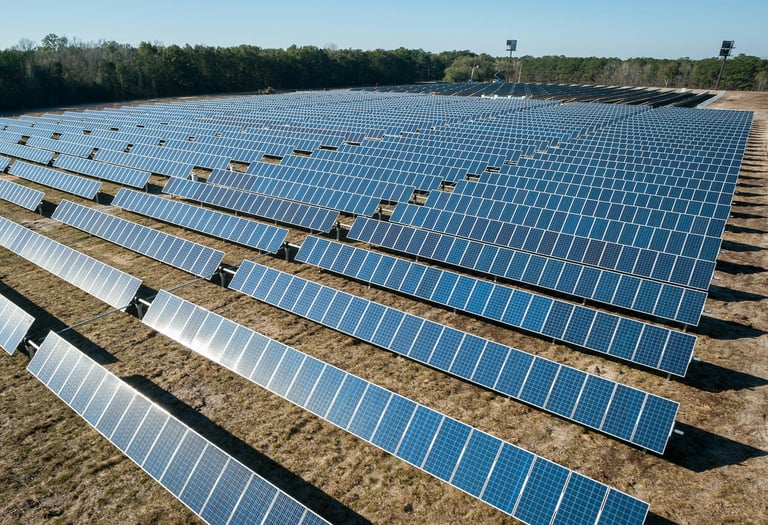
What Comes First: CfD or PPA?
CfD first for most utility-scale projects under FER X
Faster de-risking
Enables bankability in volatile markets
PPA first for merchant-heavy or corporate-driven projects
Neither is required to start development
In practice, most developers:
Advance site, grid, and permitting first — then decide based on auction outcomes and market conditions.
Best Practices for Developing Solar in Italy
Secure site and grid access early
Monitor GSE auction calendars
Maintain PPA optionality through early offtaker engagement
Use hybrid PV + BESS to optimize revenues
Engage experienced legal and permitting advisors
Align development strategy with Italy’s 2030 renewable targets
Conclusion
Italy’s solar market offers massive opportunity, but success depends on early permitting progress, grid strategy, and flexible revenue structuring. Developers who preserve optionality and align projects with FER X and PPA market dynamics are best positioned to capitalize on Italy’s rapid renewable expansion.
Our Sectors
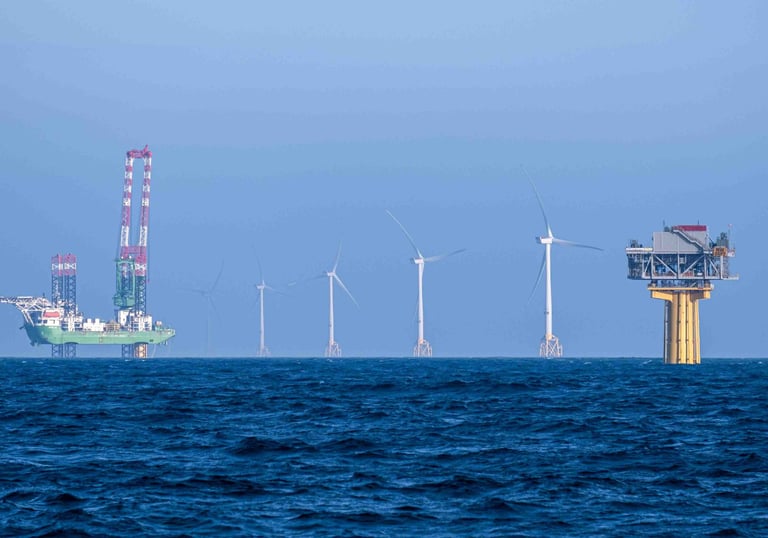
Offshore Wind
Green Hydrogen and P2X
Marine Renewable Support Vessels
Solar and Onshore Substations
Battery Energy Storage (BESS)
Data Centers
Get in touch
Discover our balance-of-plant engineering for your solar and onshore substations, delivering efficient grid-ready solutions through electrical design, substation layouts, protection systems, and integration for utility-scale renewables. We apply proven multidiscipline approaches from legacy grid-connection projects to support your onshore wind and solar initiatives. Contact us for tailored renewable project discussions.
Contact
Prefer to call us directly, or send an email?
Phone
+39 331 802 9277 (Europe)
+1 281 932 6226 (USA)
© 2022 Renova Energy Solutions LLC. Registered in WY, USA. Operating from USA/Italy
All rights reserved.
Projects delivered in conformity with ISO 9001 quality management principles, DNV, and Lloyd's Register standards in renewable energy and marine sectors. [Learn more about us →]